Starlink Ground Mount Installation: Is It Right for Your Property?
Starlink Installers
A ground mount can be easier to install, inspect and maintain than a roof mount, but it still needs a stable base, a protected cable route and a genuinely clear view of the sky. It works best where there is enough open space and the equipment can be kept away from everyday activity.
Check the sky view at the finished height
Use the Starlink app before committing to a location. Perform the obstruction check from approximately the height at which the dish will operate, not from eye level several metres away.
Look for trees, hedges, fences, sheds, neighbouring buildings and the house itself. Consider how vegetation changes through the year and whether anything is likely to be built or parked nearby.
A ground location that is clear today may become unreliable if a hedge grows or a caravan is placed in front of it.
Decide whether the location is practical
A suitable area should be:
- Outside regular walking and play routes
- Away from vehicles, mowers and garden machinery
- Difficult for pets or livestock to disturb
- Clear of falling branches and roof runoff
- Accessible for inspection without entering a hazardous area
- Close enough for a safe cable route to the building
Avoid placing the dish where it becomes a trip hazard or an attractive object in a publicly accessible area. Theft and tampering may matter at holiday properties, campsites and roadside locations.
Use a stable mounting method
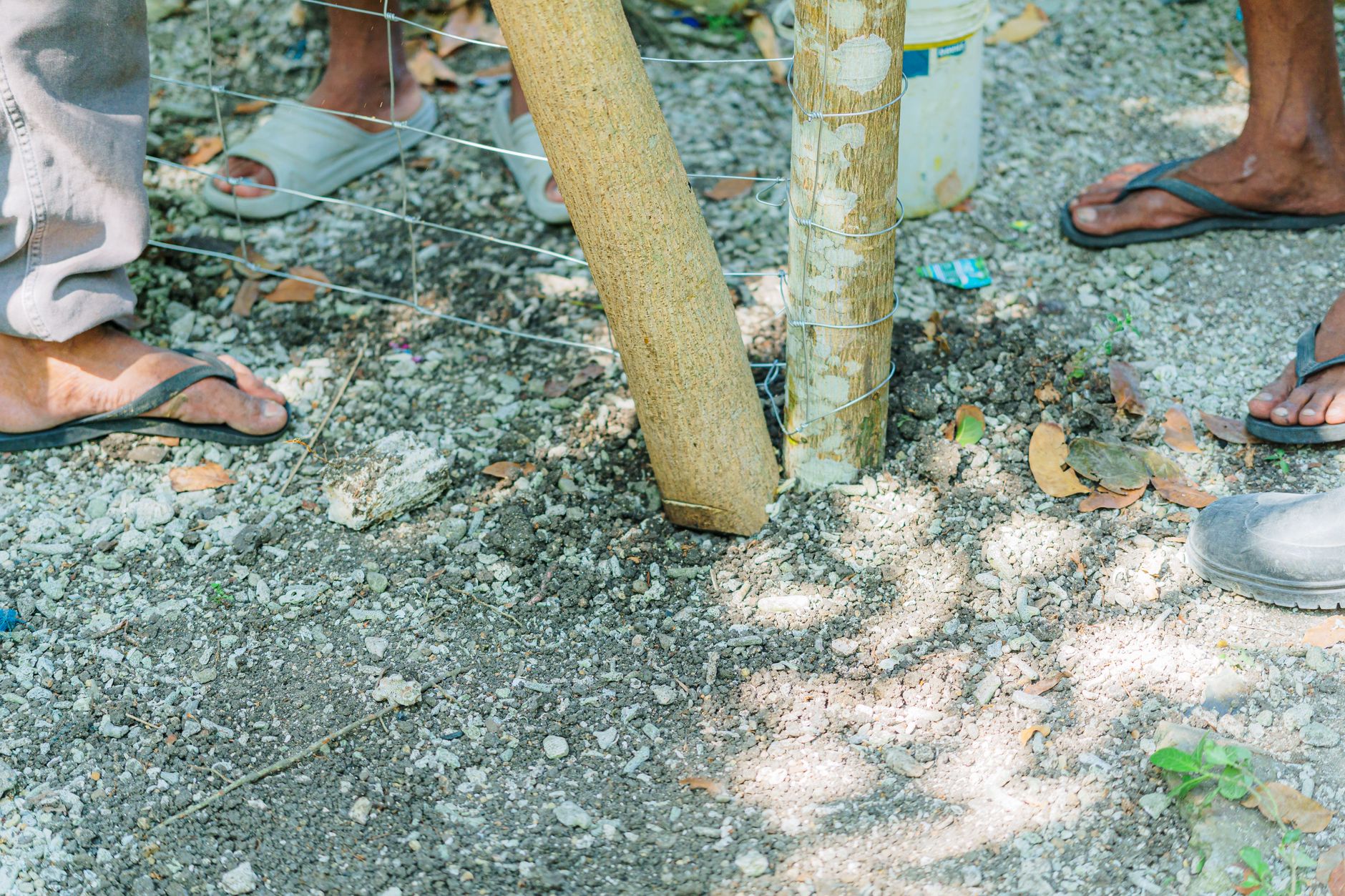
A temporary stand is useful for testing, but it may not be suitable as a permanent installation. Wind, soft soil and accidental knocks can move the dish or damage the cable.
Ask the installer to explain the proposed base, pole, fixings and resistance to movement. The correct approach depends on the ground conditions, exposure and mounting system. Do not improvise with loose blocks or weights that can shift.
The installation should also avoid damaging underground drainage, power, water or communication services. Check before driving stakes, digging or forming a base.
Protect the cable route
The cable is often the most vulnerable part of a ground-mounted system. Plan its route before positioning the dish.
A good route avoids lawns that are regularly mown, gates, paths, sharp edges and standing water. Surface cable may need suitable protection and secure support. Buried or ducted routes require careful planning so the cable is not crushed, trapped or left impossible to replace.
Do not assume an ordinary indoor extension lead is appropriate outdoors. Power and electrical arrangements should be suitable for the environment and installed by a competent person where necessary.
Consider drainage and vegetation
Keep the dish and connections away from areas that flood or remain waterlogged. Allow enough clearance for grass cutting and plant growth without bringing tools close to the cable.
Do not use chemicals, heat or aggressive scraping to clear snow, ice or vegetation from the equipment. Follow the manufacturer’s guidance and prioritise safe access.
Plan the indoor end
Confirm where the cable enters the building and where the router will sit. A ground position may require a longer route than a wall installation, so check the supplied cable length and avoid unnecessary joints.
Test Wi-Fi in the rooms where it will be used. Dish placement and indoor Wi-Fi coverage are separate decisions; a perfect sky view does not guarantee good wireless coverage through thick walls.
Final checks
Before signing off, confirm:
- The app shows a healthy connection
- The mount is rigid and level as intended
- The cable is protected throughout its route
- The equipment is not a trip, vehicle or gardening hazard
- The entry point is neat and weather-resistant
- The location remains accessible for safe inspection
A ground mount is often a good choice when it combines clear sky, a stable base and a protected route. Convenience alone is not enough.
Get One Month of Starlink Free
Order through my referral link and activate your service. Your second month of Starlink service will be free.
Related Starlink guides
- How to Prepare Your Home for a Starlink Installation Day
- How to Choose a Starlink Installer: Questions to Ask First
- Starlink Cable Routing: What a Good Installer Should Consider